
Twelve months in orbit for Matilda
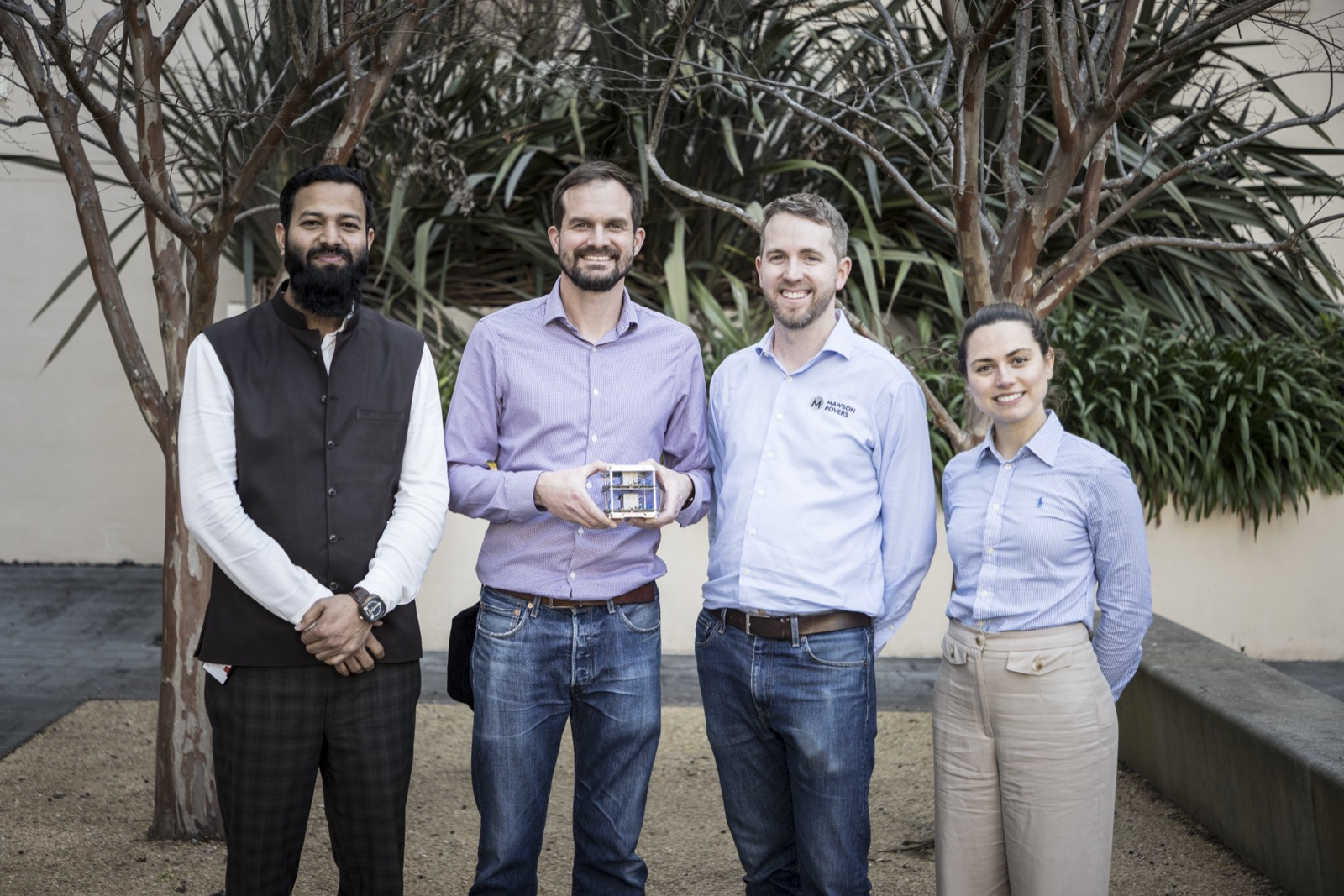
Matilda, the thermal management payload we built with the University of Technology Sydney, has now been operating in orbit for twelve months aboard Waratah Seed-1.
The spacecraft launched on SpaceX’s Transporter-11 mission in August 2024, carrying payloads from six NSW space companies. It was the first Mawson Rovers hardware to fly.
Matilda ran 23 experiments, and returned over 3.4 million datapoints for UTS researchers to review. The results have demonstrated significant improvements in satellite compute performance can be gained with 3D-printed heatsinks containing phase change material (PCM). The full results of the research will be published in Applied Thermal Engineering in the coming months.
Mission of the Year
In August 2025, Waratah Seed-1 won the AIAA SmallSat Mission of the Year award, announced on the final day of the Small Satellite Conference in Salt Lake City. It was the only Australian mission nominated, and we won against ten others from the United States and Europe.
The spacecraft has now outlived its design life, and all of the technology payloads aboard have been successfully demonstrated in orbit. Live telemetry is public at ws1.dashboard.space, running on the Space Dashboard platform developed by Mawson Rovers.
“A year of flight data is worth more than any amount of ground testing,” said Matt Ryall, CEO and Co-founder at Mawson Rovers. “Matilda has told us how our electronics and software behave over hundreds of thermal cycles in a real orbit, and that feeds straight into what we build next.”
For more information, please contact: [email protected]